
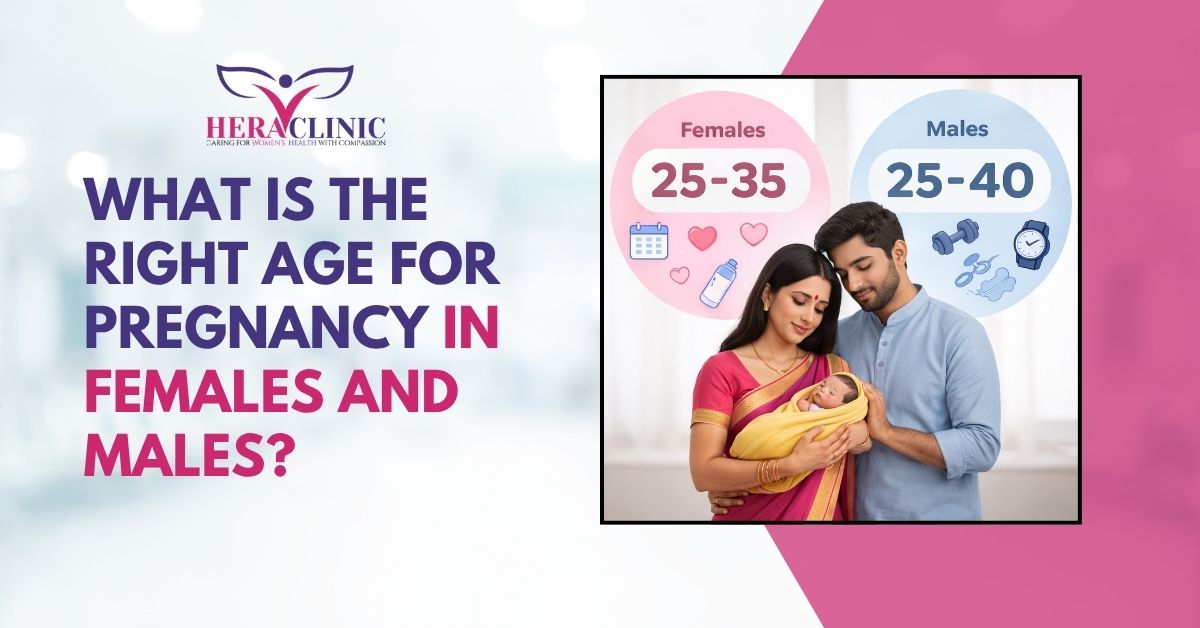
What Is the Right Age for Pregnancy in Females and Males?
Is there really a perfect age to have a baby?
If you’ve ever wondered about this, you’re not alone. In fact, it’s one of the most searched questions by couples planning their future. With modern lifestyles evolving—late marriages, career priorities, financial planning—many people are choosing to delay parenthood. While this shift brings flexibility and independence, it also raises an important concern: how age impacts fertility, conception, and pregnancy outcomes.
Biologically, our bodies follow a natural reproductive timeline. But emotionally, financially, and socially, the “right age” varies for everyone.
So, what truly matters?
Is it biology, lifestyle, or timing?
In this comprehensive guide, we’ll explore:
- The best age for pregnancy in females and males
- How fertility changes over time
- Risks associated with early and late pregnancies
- Modern fertility options like IVF and egg freezing
- Expert-backed insights to help you plan confidently
Whether you’re planning now or thinking about the future, this article will give you clarity, confidence, and direction.
What Is the Right Age for Pregnancy? (Quick Answer)
From a biological standpoint:
- 👉 Women: The ideal age for pregnancy is between 20 to early 30s
- 👉 Men: Fertility remains stable longer, but declines after 40
During this period:
- Fertility is at its peak
- Egg and sperm quality are optimal
- Pregnancy risks are relatively low
However, many couples today successfully conceive in their 30s and even 40s—with proper planning and medical care.
Understanding Fertility and the Biological Clock
Before deciding the right time to have a baby, it’s important to understand how fertility works.
Female Fertility Explained
Women are born with all the eggs they will ever have—around 1–2 million at birth. Over time:
- The number of eggs decreases
- Egg quality reduces
- Hormonal balance changes
By puberty, only about 300,000 eggs remain. And throughout reproductive years, only a small number will mature and be released.
Age-wise fertility decline:
- 20s: Peak fertility
- 30: Gradual decline begins
- 35: Decline accelerates
- 40+: Significant reduction in fertility
This natural process is commonly referred to as the biological clock.
Male Fertility Explained
Men don’t have a fixed number of sperm. They produce sperm continuously. However:
- Sperm quality declines with age
- DNA fragmentation increases
- Motility (movement) reduces
Age impact:
- Below 35: Optimal fertility
- 35–40: Gradual decline
- 40+: Noticeable reduction in quality
👉 While men can father children later in life, age still influences pregnancy success and baby health.
Best Age for Pregnancy in Females
Let’s break it down by age groups for better clarity.
Pregnancy in Your 20s (Peak Fertility Phase)
Your 20s are considered the golden years for fertility.
Why is this the best age?
- Highest egg quality
- Regular ovulation cycles
- Strong reproductive health
- Lower risk of miscarriage
- Fewer pregnancy complications
Health advantages:
- Lower risk of gestational diabetes
- Lower chances of high blood pressure
- Higher chances of natural conception
👉 Biologically, your body is most prepared for pregnancy during this
stage.
However, many women in their 20s may not feel emotionally or
financially ready—and that’s completely valid.
Pregnancy in Your 30s (The Modern Reality)
Today, many women choose to have children in their 30s—and this has become increasingly common.
What changes in your 30s?
- Fertility starts declining gradually
- It may take longer to conceive
- Slight increase in pregnancy risks
But here’s the positive side: better emotional maturity, financial stability, and planned pregnancies with access to better healthcare.
Early 30s vs Late 30s:
- 30–34: Fertility still relatively strong
- 35–39: Noticeable decline, but still possible
👉 With proper care, many women in their 30s have safe and healthy pregnancies.
Pregnancy After 35 (Advanced Maternal Age)
After 35, pregnancy is medically categorized as advanced maternal age.
Challenges may include:
- Decreased egg quality
- Reduced ovarian reserve
- Increased risk of miscarriage
Higher risk of:
- Gestational diabetes
- High blood pressure
- Placental issues
- Chromosomal abnormalities
Important note:
This does not mean pregnancy is unsafe—it just requires:
- Regular check-ups
- Advanced screenings
- Expert medical guidance
👉 At centers like Hera Clinic, specialized care and fertility counseling help women above 35 plan pregnancy safely and confidently.
Pregnancy After 40
Pregnancy after 40 is becoming more common—but it often requires medical support.
Key considerations:
- Lower natural conception rates
- Higher dependence on fertility treatments
- Increased pregnancy risks
Possible complications:
- Miscarriage
- Preterm birth
- Genetic abnormalities
👉 However, with modern treatments like IVF and expert care, many women still achieve successful pregnancies.
Best Age for Fatherhood
Male fertility is often overlooked but it's equally important.
Peak male fertility:
- Late teens to mid-30s
After 40:
- Sperm count may decline
- DNA quality may reduce
- Risk of genetic conditions slightly increases
Effects on pregnancy:
- Longer time to conceive
- Slight increase in miscarriage risk
- Possible developmental concerns
👉 While men can father children later, planning before 40 is ideal for better outcomes.
Chances of Getting Pregnant by Age
Here's a simplified comparison of fertility rates:
- 20–24 years: 25–30% chance per cycle
- 25–29 years: High fertility
- 30–34 years: Slight decline
- 35–39 years: Moderate decline
- 40+: Lower chances
👉 Age directly affects your ability to conceive naturally.
Risks of Pregnancy at Different Ages
Understanding risks helps you plan better.
Teenage Pregnancy
Risks:
- Anemia
- Premature birth
- Low birth weight
- Emotional stress
Pregnancy After 35
Increased risk of:
- Gestational diabetes
- High blood pressure
- C-section delivery
- Genetic abnormalities
👉 Proper prenatal care significantly reduces these risks.
When Should Couples Plan Pregnancy?
The right age isn't just about biology—it's about readiness.
Ask yourself:
- Are we emotionally ready?
- Are we financially stable?
- Do we have family support?
- Are we physically healthy?
👉 The best time is when you feel prepared in all aspects of life.
Modern Trends: Pregnancy in 30s & 40s
Today’s generation is redefining parenthood due to career growth, financial planning, late marriages, and lifestyle choices. Medical advancements support late pregnancies, and treatments are more accessible.
👉 Clinics like Hera Clinic are helping couples navigate these modern challenges with personalized fertility solutions.
Fertility Preservation Options
If you're not ready yet, you still have options.
Egg Freezing (Women)
- Best done before age 35
- Preserves egg quality
- Offers future flexibility
Sperm Freezing (Men)
- Helps maintain sperm quality
- Useful for delayed parenthood
Fertility Treatments
- IVF (In Vitro Fertilization)
- IUI (Intrauterine Insemination)
👉 At Hera Clinic, advanced fertility preservation techniques are designed to give couples more control over their family planning journey.
Tips to Improve Fertility Naturally
No matter your age, these habits can boost fertility:
Healthy lifestyle tips:
- Eat a balanced diet
- Exercise regularly
- Maintain healthy weight
- Avoid smoking and alcohol
- Sleep well
- Manage stress
👉 Small changes can make a big impact on reproductive health.
What Do Doctors Recommend?
Experts generally suggest:
- Women: 20–32 is ideal
- Men: Before 40 is preferable
But every individual is different.
Consult a doctor if:
- You're over 35 and planning pregnancy
- You've been trying for 6–12 months
- You have health concerns
👉 Professional guidance ensures safer planning and better outcomes.
Frequently Asked Questions
1. Is 30 too late to get pregnant?
No, 30 is not too late to get pregnant. Many women have healthy pregnancies in their 30s with proper care and planning. While fertility may begin to decline slightly, overall chances of conception remain good, especially in the early 30s, making it a common and safe age today.
2. Can a woman get pregnant after 40?
Yes, a woman can get pregnant after 40, but the chances are lower compared to earlier years. Fertility declines significantly, and there may be higher risks involved. Many women may require fertility treatments like IVF, and proper medical guidance is essential for a safe pregnancy journey.
3. Does male age affect pregnancy?
Yes, male age can affect pregnancy outcomes. As men age, sperm quality, motility, and genetic health may decline, especially after 40. This can impact fertility and increase the time required to conceive, along with slightly higher risks of genetic issues in the baby.
4. What is the safest age to have a baby?
The safest age to have a baby is generally considered between the early 20s and early 30s. During this time, fertility is at its peak, and the risk of complications is lower. However, many women also have safe pregnancies later with proper healthcare and medical supervision.
5. Does age affect IVF success rates?
Yes, age significantly affects IVF success rates. Younger women typically have higher success rates due to better egg quality and quantity. As age increases, especially after 35, success rates gradually decline. However, advanced fertility treatments still offer hope for many couples trying to conceive later.
6. When should couples start planning pregnancy?
Couples should start planning pregnancy when they feel emotionally, physically, and financially ready. While biological age is important, readiness in terms of health, stability, and mutual understanding plays a key role. Consulting a doctor early can help assess fertility and guide proper family planning decisions.
Conclusion
So, what is the right age for pregnancy?
👉 Biologically, the 20s to early 30s is the most favorable time.
👉 Practically, it depends on your life goals, health, and readiness.
There is no perfect age, only the right time for you.
With awareness, planning, and expert guidance from trusted healthcare providers like Hera Clinic, you can make informed decisions and move forward with confidence.
Because when it comes to building a family,
The best decisions are informed ones.