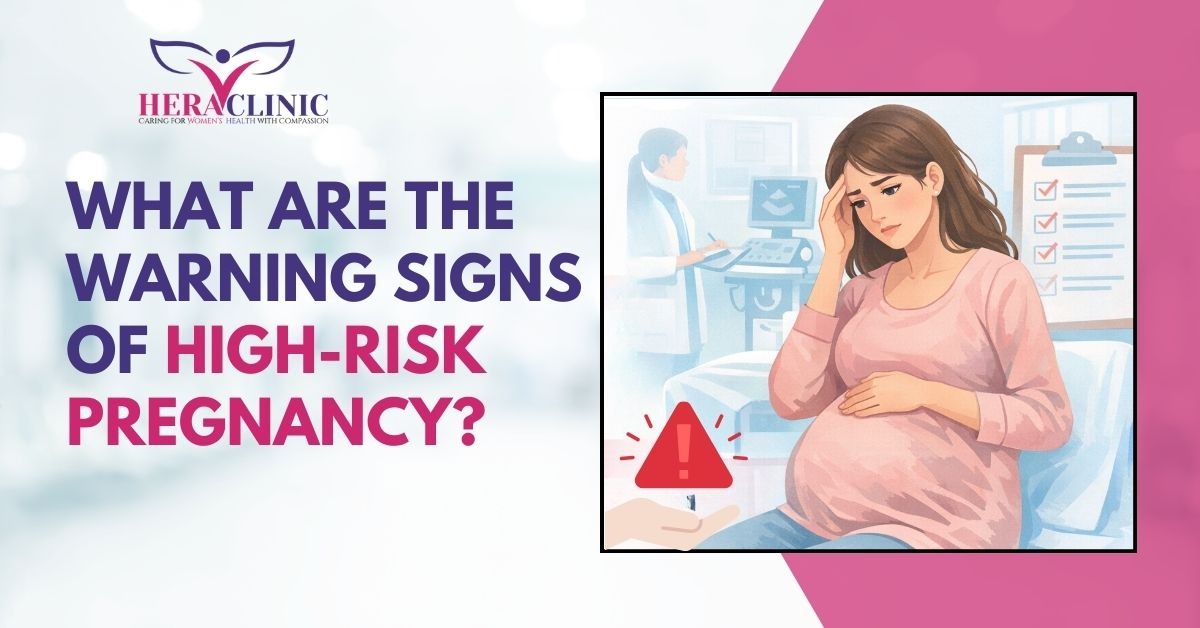
What Are The Warning Signs Of High-Risk Pregnancy?
Pregnancy is one of the most meaningful phases in a woman’s life. It often brings joy, excitement, and dreams about the future—but it can also raise concerns, especially when unexpected symptoms appear. Many expectant mothers find themselves wondering, Is this normal? Should I be worried?
While most pregnancies progress without complications, some require closer medical attention. This is known as a high-risk pregnancy. Understanding the warning signs of high-risk pregnancy empowers women to seek help early, reduce complications, and protect both their own health and their baby’s well-being.
According to Dr. Sairandhri Kate, early recognition of symptoms combined with regular prenatal monitoring plays a vital role in preventing serious pregnancy-related complications
Understanding High-Risk Pregnancy
A pregnancy is considered high-risk when the likelihood of health complications is higher than usual. These risks may affect the mother, the baby, or both, and they can arise at any stage—from early pregnancy to delivery.
High-risk pregnancies may require:
- More frequent medical checkups
- Specialized diagnostic tests
- Lifestyle modifications
- Coordinated care between specialists
With modern medical care, most women with high-risk pregnancies deliver healthy babies. The key lies in awareness, timely diagnosis, and consistent medical support.
What Is Considered a High-Risk Pregnancy?
A high-risk pregnancy does not automatically mean danger, it means extra care is needed. Your doctor may classify your pregnancy as high-risk to ensure closer observation and early intervention if required
Common reasons include:
- Existing medical conditions such as diabetes or hypertension
- Pregnancy-related complications that develop over time
- Previous pregnancy losses or preterm births
- Fetal growth or developmental concerns
This classification allows healthcare providers to take proactive steps rather than reactive ones.
Common Risk Factors That Can Lead to High-Risk Pregnancy
Many factors can increase pregnancy-related risks. Some are present before conception, while others develop during pregnancy.
Maternal Factors
- Age below 18 or above 35
- Being underweight or obese
- Poor nutrition or high stress levels
Medical Conditions
- High blood pressure
- Diabetes or gestational diabetes
- Thyroid disorders
- Heart, kidney, or autoimmune diseases
Pregnancy-Related Factors
- Multiple pregnancies (twins or triplets)
- Placental abnormalities
- History of miscarriage or preterm labor
Lifestyle Factors
- Smoking or vaping
- Alcohol or substance use
- Exposure to environmental toxins
Even women with no known risk factors can develop complications, which is why prenatal care remains essential for everyone.
Expectant mothers who consult a high risk pregnancy specialist in Punawale, PCMC often benefit from early assessments that help identify subtle warning signs before they become serious concerns.
Warning Signs of High-Risk Pregnancy You Should Never Ignore
Not all pregnancy symptoms are dangerous, but certain signs demand immediate attention. Being informed helps you respond quickly and confidently.
Vaginal Bleeding During Pregnancy
Light spotting can be common, especially in early pregnancy. However, heavy bleeding, bleeding with clots, or bleeding accompanied by pain may indicate:
- Miscarriage
- Placental complications
- Preterm labor
Any bleeding should always be reported to your healthcare provider without delay
Severe Abdominal or Pelvic Pain
As your body changes, mild discomfort may occur. However, sharp, persistent, or worsening abdominal pain can signal:
- Ectopic pregnancy
- Infection
- Placental separation
Pain that disrupts daily activities or worsens suddenly requires urgent evaluation.
High Blood Pressure and Sudden Swelling
While swelling in the legs is common, sudden swelling of the face, hands, or eyes, especially when paired with headaches or blurred vision, may indicate preeclampsia.
This condition can progress rapidly if untreated, making early detection critical.
Reduced or No Fetal Movement
Once fetal movements become regular, monitoring them daily is important. A noticeable decrease or absence of movement may signal fetal distress.
If you are unsure whether your baby’s movements have changed, it is always safest to seek medical advice.
Severe Nausea and Vomiting
Mild nausea is common during pregnancy, but frequent vomiting that prevents adequate hydration or nutrition may lead to dehydration and electrolyte imbalance.
Medical treatment can help relieve symptoms and protect both mother and baby.
Fever, Chills, or Signs of Infection
A fever during pregnancy should never be ignored. Symptoms such as:
- Fever above 100.4°F (38°C)
- Painful urination
- Unusual vaginal discharge
may indicate infection, which can increase pregnancy risks if left untreated.
Pregnancy Danger Signs by Trimester
Recognizing danger signs by trimester helps expectant mothers know when to seek immediate care.
First Trimester Danger Signs (Weeks 1–12)
The first trimester is a critical period when the baby’s organs begin to develop. During this stage, the risk of early pregnancy complications is higher, making it especially important to pay attention to warning signs.
Danger signs in the first trimester include:
- Heavy vaginal bleeding
- Severe or one-sided abdominal pain
- Dizziness, fainting, or extreme weakness
- Persistent vomiting
- High fever or chills
Light spotting may occur, but heavy bleeding—especially with clots—can be a sign of miscarriage or other complications.
Sharp or persistent pain, particularly on one side, may indicate an ectopic pregnancy and requires immediate medical attention.
These symptoms may signal internal bleeding, dehydration, or low blood pressure.
Excessive vomiting that prevents eating or drinking may lead to dehydration and nutritional deficiencies.
Fever during early pregnancy may indicate infection, which can interfere with healthy fetal development.
Early medical evaluation during the first trimester can significantly improve outcomes and reduce complications.
Second Trimester Danger Signs (Weeks 13–27)
The second trimester is often referred to as the “comfortable phase” of pregnancy. However, serious complications can still arise, and certain symptoms should never be ignored.
Danger signs in the second trimester include:
- Severe or persistent headaches:
- Blurred vision or sensitivity to light:
- Sudden swelling of the face, hands, or eyes:
- Abdominal pain or cramping:
- Reduced fetal movement:
Frequent headaches that do not improve with rest may be an early sign of high blood pressure or preeclampsia
Vision changes may indicate rising blood pressure or neurological concerns.
While mild swelling can be normal, sudden or excessive swelling is a potential warning sign.
Ongoing pain may indicate infection, placental issues, or early preterm labor.
Once fetal movements become regular, a noticeable decrease should always be reported to a healthcare provider.
Prompt attention to these symptoms can help prevent progression to more serious complications.
Third Trimester Danger Signs (Weeks 28–40)
The third trimester is a crucial time when the baby continues to grow and prepare for birth. Certain symptoms during this stage may indicate preterm labor or other emergencies.
Danger signs in the third trimester include:
- Regular contractions before 37 weeks:
- Sudden leakage of fluid from the vagina:
- Severe lower back pain or pelvic pressure:
- Decreased or absent fetal movement:
- Chest pain or difficulty breathing:
Frequent or painful contractions may indicate preterm labor and require immediate evaluation.
This may signal rupture of membranes (water breaking), which increases the risk of infection and preterm birth.
Persistent pain may be a sign of early labor.
A sudden reduction in baby movements can be a sign of fetal distress and should be addressed urgently.
These symptoms may indicate serious conditions such as blood clots or heart problems and require emergency care.
Seeking immediate medical attention during the third trimester can be life-saving for both mother and baby. Prompt medical attention can prevent complications and improve outcomes.
Conditions Commonly Associated With High-Risk Pregnancy
Several conditions are commonly linked to high-risk pregnancies:
Preeclampsia
Preeclampsia is a pregnancy-related condition marked by high blood pressure and signs of organ stress, often affecting the liver or kidneys. It usually develops after 20 weeks of pregnancy and may cause swelling, headaches, or vision changes. Early diagnosis and regular monitoring help prevent serious complications for both mother and baby.
Gestational Diabetes
Gestational diabetes occurs when blood sugar levels rise during pregnancy due to hormonal changes. It may not cause noticeable symptoms but can affect the baby’s growth and delivery if uncontrolled. With proper diet, monitoring, and medical care, most women manage gestational diabetes successfully and deliver healthy babies.
Placenta Previa
Placenta previa happens when the placenta partially or completely covers the cervix, increasing the risk of bleeding during pregnancy and delivery. It is often diagnosed through ultrasound. Careful monitoring, activity restrictions, and planned delivery help reduce complications and ensure maternal and fetal safety.
Preterm Labor
Preterm labor begins before 37 weeks of pregnancy and may involve regular contractions, back pain, or pelvic pressure. Early medical intervention can sometimes slow or stop labor, allowing the baby more time to develop. Prompt care significantly improves outcomes for both mother and newborn.
As Dr. Sairandhri Kate explains, early diagnosis and individualized treatment plans significantly improve pregnancy outcomes.
When to Call Your Doctor or Seek Emergency Care
Seek immediate medical help if you experience:
- Heavy vaginal bleeding
- Severe abdominal pain
- Sudden swelling or visual disturbances
- High fever
- Reduced or absent fetal movement
Healthcare professionals at Hera Clinic emphasize that acting early can prevent serious complications.
How High-Risk Pregnancy Is Diagnosed
Diagnosis often involves:
- Blood and urine tests
- Ultrasound imaging
- Blood pressure monitoring
- Fetal heart rate monitoring
- Non-stress tests
These assessments help ensure that both mother and baby are progressing safely.
Managing a High-Risk Pregnancy Safely
With proper care, many high-risk pregnancies are managed successfully. Management may include:
- More frequent prenatal visits
- Specialized care or referrals
- Lifestyle modifications
- Medication when necessary
Healthcare at Hera Clinic focuses on personalized care plans that prioritize both safety and emotional well-being.
Final Thoughts
Every pregnancy journey is different. While hearing the term “high-risk” can feel overwhelming, knowledge and proactive care make a meaningful difference.
By understanding the warning signs of high-risk pregnancy, you give yourself the best chance to seek timely care, reduce risks, and experience a healthier pregnancy.
If something doesn’t feel right, trust your instincts and seek medical advice promptly. Early action can protect both you and your baby—today and in the weeks to come.