
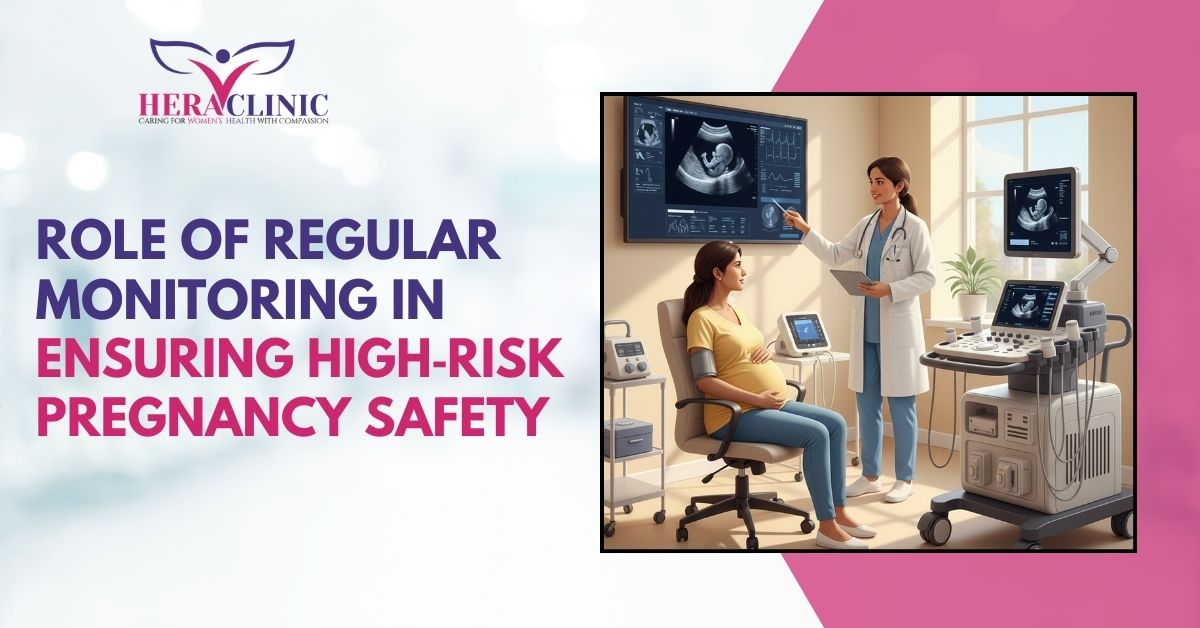
Role of Regular Monitoring in Ensuring High-Risk Pregnancy Safety
Pregnancy is an extraordinary journey, filled with hope, excitement, and anticipation. But for some mothers—especially those facing medical challenges or previous pregnancy complications—it may require additional care and precaution. A high-risk pregnancy doesn’t mean complications are inevitable; instead, it emphasizes the importance of careful, consistent monitoring to support the well-being of both mother and baby.
At Hera Clinic, under the guidance of Dr. Sairandhri Kate-Shinde, regular monitoring plays a vital role in identifying potential concerns early, allowing timely interventions and improving pregnancy outcomes.
Understanding High-Risk Pregnancy
A high-risk pregnancy is one where the likelihood of complications for the mother, baby, or both is higher than usual. While every pregnancy carries some level of risk, certain factors require closer observation.
Common causes include:
- Maternal age: Teen pregnancies or pregnancies over age 35
- Chronic health conditions: Diabetes, hypertension, heart or kidney disease, autoimmune disorders
- Previous pregnancy complications: Preterm birth, miscarriage, or stillbirth
- Multiple pregnancies: Twins, triplets, or more
These conditions may increase the risk of issues such as preterm labor, preeclampsia, gestational diabetes, or fetal growth restriction. Regular monitoring is key to detecting early warning signs and promoting a healthy pregnancy.
Importance of Regular Monitoring
Monitoring in high-risk pregnancy goes beyond routine checkups. It is a proactive approach to safeguarding maternal and fetal health.
Why frequent monitoring matters:
- Early detection of complications: Issues like high blood pressure, blood sugar changes, or fetal distress can be identified early.
- Tracking fetal development: Regular assessments ensure the baby is growing and developing appropriately.
- Personalized care planning: Monitoring results help guide decisions on diet, lifestyle, medications, and delivery timing.
At Hera Clinic, consistent monitoring helps support safer and more predictable pregnancy outcomes.
Traditional Monitoring Methods
1. Ultrasound Surveillance
Ultrasound scans provide essential insights into fetal growth and well-being.
- Growth scans assess development.
- Doppler studies examine blood flow between the placenta and baby.
- Anatomy scans evaluate organ formation.
Regular scans allow adjustments in care if any concerns arise.
2. Fetal Heart Rate Monitoring
Tools such as Non-Stress Tests (NSTs) and Cardiotocography (CTG) help assess the baby’s heart rate and movements.
These tests are especially important for mothers with conditions like hypertension, diabetes, or multiple pregnancies.
3. Blood and Biomarker Tests
Maternal blood testing helps identify potential issues, including:
- Gestational diabetes
- Risk of preeclampsia
- Anemia or clotting abnormalities
Together, these tests provide a clear picture of maternal and fetal health.
Emerging Technologies in High-Risk Pregnancy Monitoring
Advancements in technology have made pregnancy monitoring more accessible and efficient.
1. Telemonitoring and Remote Monitoring
Remote tools can allow mothers to:
- Track certain health parameters from home
- Consult through telehealth platforms when appropriate
This is beneficial for those living far from the clinic or with mobility challenges.
2. Wearable Devices & IoT
Wearables can monitor vital signs like heart rate, blood pressure, and oxygen levels continuously.
If any readings fall outside the safe range, alerts can prompt timely action.
3. Artificial Intelligence & Machine Learning
Emerging AI tools can analyze health data and help predict potential risks, supporting early preventive care.
Though still developing, these technologies show strong promise in improving pregnancy outcomes.
Frequency and Timing of Monitoring
Monitoring schedules vary depending on individual risk factors.
- Early pregnancy: Baseline tests and risk assessment
- Second trimester: Growth scans, screening tests
- Third trimester: More frequent scans, NSTs, and close follow-up
At Hera Clinic, monitoring is tailored to the unique needs of each patient.
Benefits of Regular Monitoring
- Early detection of complications
- Better delivery planning to reduce emergencies
- Lower risk of maternal and neonatal complications
- Increased reassurance and confidence for parents
With consistent and personalized oversight by Dr. Sairandhri Kate-Shinde, high-risk pregnancies can progress safely toward a healthy delivery.
Common Questions & Concerns
1. Is frequent monitoring safe for my baby?
Yes. Techniques like ultrasounds and NSTs are non-invasive and safe when used appropriately.
2. What should I expect during visits?
Depending on your stage and risk factors, visits may include ultrasounds, fetal heart rate checks, blood tests, and personalized medical guidance.
3. Can I track some results at home?
Yes. With the help of telehealth and remote monitoring tools, certain parameters can be tracked from home under guidance.
Conclusion
High-risk pregnancies require careful, consistent monitoring, but with the right care, they can progress safely.
At Hera Clinic, using traditional methods and modern technologies, regular monitoring ensures early detection and effective management of potential complications. By staying informed and maintaining open communication with your doctor, you can support a safe and healthy pregnancy journey.