
Safe Pregnancy Exercises by Trimester – Hera Clinic, Punawale
Staying active during pregnancy is essential for both maternal health and fetal development. At Hera Clinic, Punawale, we emphasize the importance of safe and effective exercises to promote a comfortable pregnancy, smooth labor, and quick postpartum recovery. However, not all exercises are suitable for every trimester, and it’s crucial to follow a well-structured plan tailored to each stage of pregnancy.
In this guide, we’ll cover the best pregnancy exercises for each trimester, helping you stay fit while ensuring your baby’s safety.
Congratulations, mama-to-be! Finding out you’re pregnant is an incredibly exciting and, let’s be honest, sometimes overwhelming experience. The first trimester (weeks 1-12) is a period of rapid development for your baby and significant changes for your body. If you’re in Punawale, or nearby areas like Kiwale, Ravet, or Tathawade, and navigating this new journey, Hera Clinic is here to support you. This checklist will guide you through the essential steps of your first trimester.
Confirm Your Pregnancy and Schedule Your First Prenatal Appointment:
- Home Pregnancy Test: Most home tests are accurate, but a blood test at a clinic like Hera Clinic will confirm the pregnancy and measure your hCG levels (human chorionic gonadotropin, the pregnancy hormone).
- Find a Gynecologist You Trust: This is crucial! Dr. Sairandhri at Hera Clinic has extensive experience in antenatal care and is dedicated to providing compassionate, personalized care to expectant mothers in Punawale. Don’t hesitate to call us at 91 88059 81909 to schedule your first appointment. Early prenatal care is vital for a healthy pregnancy.
- Why it matters: Early check up ensures the location of the baby, as some time the baby grows outside the uterus.
Start Taking Prenatal Vitamins:
- Folic Acid is Key: This B vitamin is essential for preventing neural tube defects in your baby’s brain and Most prenatal vitamins contain the recommended daily dose (min 5mg).
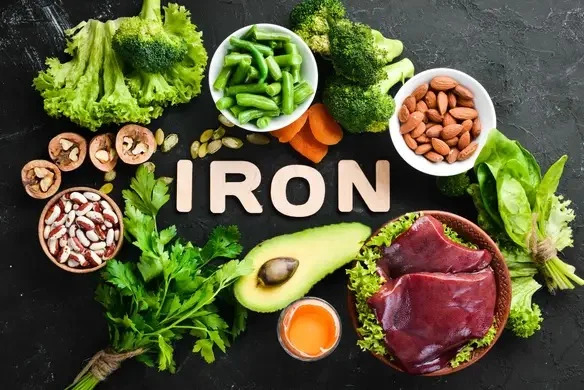
- Other Important Nutrients: Look for a prenatal vitamin that also includes iron (to prevent anemia), calcium (for bone development), vitamin D (for calcium absorption), and DHA (an omega-3 fatty acid important for brain development).
- Ask Your Doctor: Sairandhri can recommend the best prenatal vitamin for your specific needs.
Review Your Medications and Lifestyle:
- Medication Check: Discuss all medications, supplements, and even herbal remedies you’re taking with Dr. Sairandhri. Some may need to be adjusted or discontinued during pregnancy.
- Quit Smoking and Alcohol: These substances are harmful to your developing baby. If you need help quitting, seek support resources.
- Limit Caffeine: Moderate caffeine intake (around 200mg per day, or about one 12-ounce cup of coffee) is generally considered safe, but it’s best to discuss this with your doctor.
- Avoid Certain Foods: Raw fish (sushi), unpasteurized dairy products, deli meats, and undercooked eggs can carry harmful bacteria.
Manage First Trimester Symptoms:
- Morning Sickness: Nausea and vomiting are common, but they don’t always happen in the morning! Try eating small, frequent meals, avoiding trigger foods, and staying hydrated. Ginger (ginger ale, ginger candies) can also help.
- Fatigue: Your body is working hard! Get plenty of rest, and don’t be afraid to take breaks.
- Breast Tenderness: This is due to hormonal changes. Wear a supportive bra.
- Frequent Urination: Your growing uterus puts pressure on your bladder.
- Mood Swings: Hormones are fluctuating, and it’s normal to feel emotional. Talk to your partner, a friend, or a therapist if you’re struggling.
- Heartburn: Hormonal changes can cause discomfort. Eat small meals often.
- Constipation: Drink plenty of water and increase the intake of fiber in your diet.
Start Thinking About Prenatal Testing:
- Screening Tests: These tests assess your baby’s risk for certain chromosomal abnormalities, like Down syndrome. Options include blood tests and ultrasounds.
- Diagnostic Tests: These tests, like chorionic villus sampling (CVS) or amniocentesis, provide a definitive diagnosis but carry a small risk of miscarriage.
- Discuss Your Options: Sairandhri will explain the different tests and help you decide what’s right for you and your baby.
Stay Hydrated and Nourished:
- Drink Plenty of Water: Aim for 8-10 glasses of water per day. Dehydration can worsen morning sickness and fatigue.
- Focus on Whole Foods: Choose fruits, vegetables, whole grains, lean protein, and healthy fats.
- Listen to Your Body: Cravings are normal, but try to make healthy choices most of the time.
Gentle Exercise (with Doctor’s Approval):
- Walking: A great low-impact exercise.
- Prenatal Yoga: Can help with flexibility, strength, and relaxation.
- Swimming: A gentle, full-body workout.
- Avoid High-Impact Activities: Talk to Sairandhri before starting any new exercise program.
Start a Pregnancy Journal:
- Document Your Journey: Record your symptoms, feelings, and milestones. It’s a wonderful way to remember this special time.
- Prepare Questions for Your Doctor: Jot down any questions you have for your next appointment.
Share the News (When You’re Ready):
There’s No Right or Wrong Time: Some couples share the news immediately, while others wait until after the first trimester. Do what feels right for you.
Take Care of Your Mental Health:
- Pregnancy Can Be Stressful: It’s okay to feel overwhelmed, anxious, or even scared.
- Talk to Someone: Your partner, a friend, a family member, or a therapist can provide support.
- Practice Relaxation Techniques: Deep breathing, meditation, or prenatal yoga can help.
Hera Clinic: Your Partner in Pregnancy
At Hera Clinic in Punawale, we’re committed to providing comprehensive and compassionate antenatal care. Dr. Sairandhri and our team are here to support you throughout your pregnancy journey. We offer personalized care, advanced technology, and a welcoming environment.