
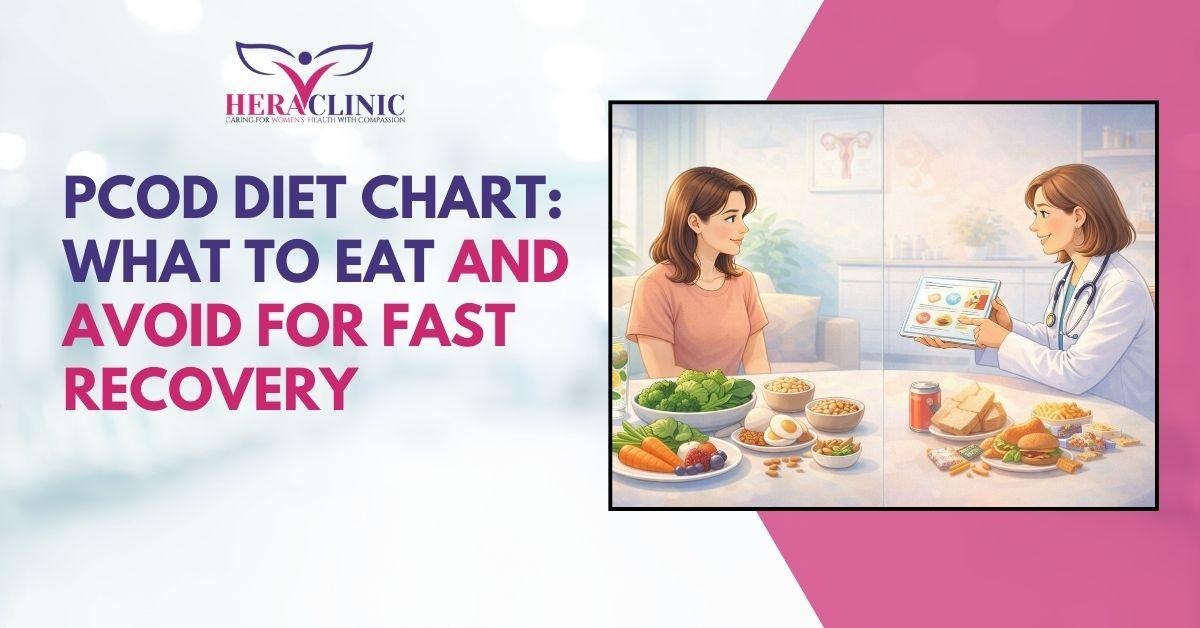
PCOD Diet Chart: What to Eat and Avoid for Fast Recovery
Getting diagnosed with PCOD can feel confusing and emotionally draining. You may have been struggling with irregular periods, unexplained weight gain, acne, hair fall, or difficulty conceiving — and suddenly you’re told it’s a hormonal condition. The advice that follows often sounds simple: “Lose weight.” “Eat healthy.” “Control hormones.” But what does that actually mean in real life?
Here’s what most people don’t clearly explain: PCOD is not just a gynecological issue—it is a metabolic condition. It affects how your body handles insulin, stores fat, regulates inflammation, and balances hormones. That’s why diet is not optional in PCOD management. It is foundational.
A well-planned PCOD diet chart helps regulate blood sugar, reduce insulin resistance, lower excess androgen levels, and improve ovulation patterns. Over time, consistent dietary changes can lead to more regular cycles, better energy levels, improved skin, and healthier weight management.
The good news? You don’t need extreme dieting. You need structured, balanced, sustainable eating.
Why Diet Plays a Central Role in PCOD
In many women with PCOD, insulin resistance is the underlying trigger.
When the body becomes resistant to insulin:
- The pancreas produces more insulin
- High insulin stimulates ovaries to produce more androgens
- Androgens disrupt ovulation
- Symptoms worsen
This creates a cycle of hormonal imbalance.
Breaking this cycle requires stabilizing blood sugar levels—and that starts with food choices.
At Hera Clinic, dietary guidance is considered one of the first and most important steps in managing PCOD effectively because medication alone rarely addresses the metabolic root cause.
Core Principles of an Effective PCOD Diet Plan
Before we look at the diet chart, let’s understand the logic behind it.
1. Stabilize Blood Sugar
Avoid sudden glucose spikes. Refined carbs and sugary foods cause insulin surges that worsen PCOD.
2. Increase Fiber Intake
Fiber slows digestion, improves gut health, and reduces insulin spikes.
3. Prioritize Protein
Protein keeps you full longer, supports metabolism, and prevents cravings.
4. Include Healthy Fats
Healthy fats reduce inflammation and support hormonal signaling.
5. Avoid Crash Dieting
Extreme calorie restriction increases stress hormones and worsens imbalance.
PCOD recovery is about metabolic regulation — not starvation.
Simple PCOD Diet Chart (Daily Structure)
Below is a short, practical format that is easy to follow.
| Meal | What to Eat |
|---|---|
| Early Morning (Optional) | Warm water + soaked almonds or chia seeds |
| Breakfast | Vegetable oats / Moong dal chilla / 2 boiled eggs + sautéed vegetables / Paneer bhurji + 1 whole wheat toast |
| Mid-Morning Snack | 1 low-GI fruit (apple/guava/pear) + handful of nuts OR coconut water |
| Lunch | ½ plate vegetables + ¼ plate protein (dal/paneer/chicken/fish) + ¼ plate brown rice or 1–2 millet rotis |
| Evening Snack | Green tea + roasted chana/makhana OR sprouts salad |
| Dinner (Light Meal) | Vegetable soup + tofu/paneer OR 1 roti + sabzi + dal OR grilled fish + salad |
| Before Bed (If Hungry) | Warm turmeric milk (unsweetened) OR small handful of nuts |
The key is balance—not eliminating food groups.
What to Eat More Often in PCOD
What to Eat More Often in PCOD
Whole Grains & Complex Carbohydrates
Choose slow-digesting carbs:
- Brown rice (small portions)
- Oats
- Millets (ragi, jowar, bajra)
- Whole wheat roti
- Quinoa
These prevent rapid sugar spikes.
High-Fiber Vegetables
Fill half your plate with vegetables:
- Spinach
- Methi
- Broccoli
- Carrots
- Bottle gourd
- Cucumber
Vegetables improve insulin sensitivity and gut health.
Lean Protein Sources
Protein is critical in every meal.
Vegetarian:
- Paneer
- Tofu
- Greek yogurt
- Lentils
- Sprouts
Non-vegetarian:
- Eggs
- Chicken
- Fish
Protein stabilizes blood sugar and reduces overeating.
Healthy Fats
Include:
- Almonds
- Walnuts
- Flaxseeds
- Chia seeds
- Olive oil
These reduce inflammation and support hormone balance.
Low-Glycemic Fruits
Safe fruit options:
- Apple
- Guava
- Pear
- Pomegranate
Avoid fruit juices and high-sugar processed smoothies.
Foods to Avoid in PCOD
Certain foods worsen insulin resistance and inflammation.
- White bread and maida products
- Sugary drinks and packaged juices
- Sweets and desserts
- Deep-fried snacks
- Processed fast food
- Excess caffeine
These foods cause blood sugar spikes and hormonal disturbances.
PCOD Diet for Weight Loss
Weight gain in PCOD is hormone-driven, not simply due to overeating.
Insulin resistance encourages fat storage, especially around the abdomen.
The focus should be:
- Strength training 3–4 times per week
- 30 minutes of brisk walking daily
- Protein-rich meals
- Proper sleep (7–8 hours)
Even 5–10% weight loss can significantly improve ovulation.
As Dr. Sairandhri Kate-Shinde often explains, PCOD weight management is about improving metabolism — not punishing your body with extreme dieting.
How Long Does It Take to See Results?
Recovery is gradual.
- 2–4 weeks: Improved energy levels
- 4–8 weeks: Reduced bloating
- 3–6 months: More regular cycles
Consistency is more powerful than intensity.
At Hera Clinic, patients are encouraged to focus on sustainable habits rather than quick results, because hormonal balance takes time.
Lifestyle Tips That Support the PCOD Diet
Diet works best when combined with:
- Strength training
- Daily walking
- Stress reduction
- Adequate sleep
- Proper hydration
High stress increases cortisol, which can further disrupt hormones.
Managing stress is as important as managing calories.
Frequently Asked Questions
Can PCOD be cured with diet alone?
PCOD may not always be completely cured, but symptoms can be effectively controlled with consistent diet and lifestyle changes.
Is rice allowed in PCOD?
Yes, but in moderation. Prefer brown rice and combine it with protein and vegetables.
Are fruits bad for PCOD?
No. Choose low-GI fruits and control portions.
Should I skip meals in PCOD?
Skipping meals can worsen blood sugar fluctuations. Regular balanced meals are better.
How much weight should I lose?
Even a 5–10% reduction in body weight can significantly improve ovulation.
Final Thoughts
PCOD is manageable.
It requires understanding your metabolism, not fighting your body. The right PCOD diet chart focuses on balance, stability, and sustainability.
You don't need extreme restrictions. You need consistency.
When you regulate insulin, reduce inflammation, and support your hormones through food, your body slowly begins to restore balance.
Small daily habits create long-term hormonal health.
Ready to start your PCOD management journey? Book a consultation at Hera Clinic for personalized dietary and medical guidance.