
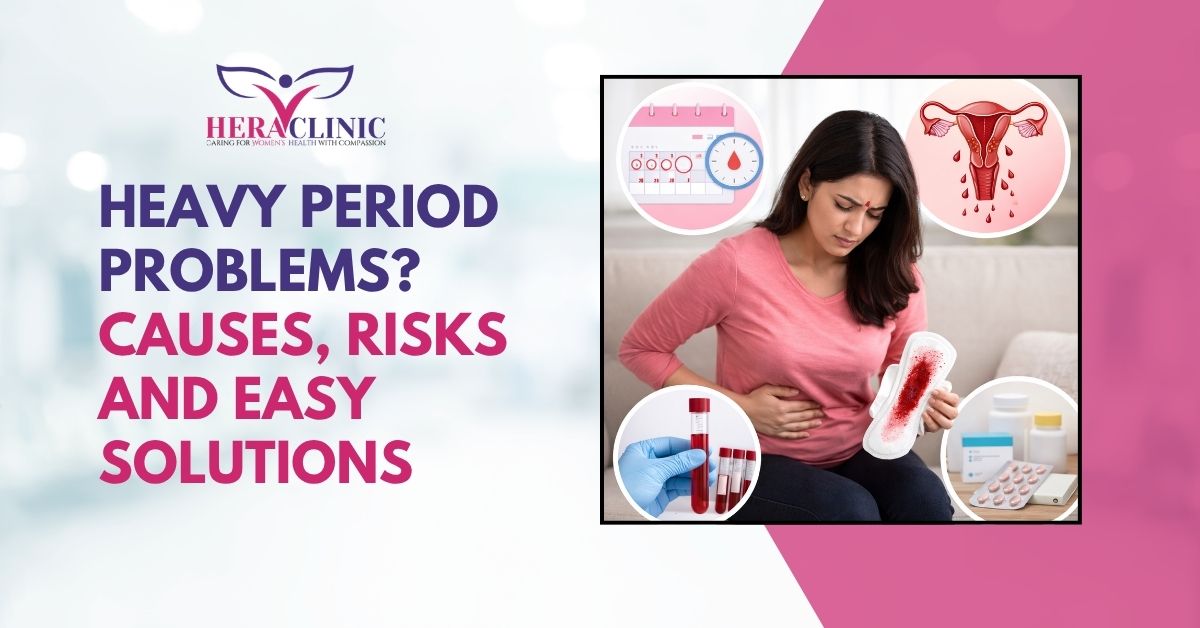
Heavy Period Problems? Causes, Risks and Easy Solutions
Periods are a natural and essential part of a woman’s reproductive health. But for many women, periods are not just a monthly inconvenience—they can become physically exhausting, emotionally draining, and even alarming. If you’ve ever found yourself wondering, “Why is my period so heavy?” or struggling to get through the day because of excessive bleeding, you’re not alone. Heavy periods—medically known as menorrhagia or heavy menstrual bleeding—are more common than most people think. Yet, they are often ignored, misunderstood, or normalized. The truth is simple:
👉 Your period should not disrupt your life.
In this detailed guide, we’ll walk you through everything you need to know about
heavy period problems—from causes and risks to easy, practical solutions you can
start today.
What Is Considered a Heavy Period?
Before we dive deeper, it's important to understand what actually qualifies as a
"heavy period."
Every woman's cycle is different, but there are medical guidelines that help
define normal vs abnormal bleeding.
A Normal Period Typically:
- Lasts 3 to 7 days
- Requires changing pads/tampons every 3–4 hours
- Has a steady but manageable flow
A Heavy Period May Include:
- Bleeding that lasts more than 7 days
- Soaking through pads or tampons every 1–2 hours
- Passing large blood clots
- Waking up at night to change protection
- Needing double protection (pad + tampon)
A practical way to judge:
👉 If your period is affecting your sleep, work, travel, or confidence—it may be
heavier than normal.
Many women silently adapt to heavy bleeding without realizing that it's a
treatable condition.
Signs & Symptoms of Heavy Menstrual Bleeding
Heavy periods are not just about the amount of blood. They often come with a combination of physical and emotional symptoms that can significantly impact your daily life.
Common Symptoms Include:
- Excessive bleeding with noticeable clots
- Severe abdominal or lower back pain
- Feeling constantly tired or weak
- Shortness of breath during routine activities
- Dizziness or lightheadedness
- Pale skin (a sign of anemia)
- Irregular cycles or unpredictable timing
- Mood swings and irritability
Over time, these symptoms can reduce your energy levels, productivity, and
overall quality of life.
👉 Many women describe it as feeling "drained" during their period—and that's
not something you should have to live with.
Common Causes of Heavy Period Problems
Heavy menstrual bleeding doesn’t happen randomly. There is always an underlying
reason—sometimes simple, sometimes medical.
Let’s break down the most common causes in an easy-to-understand way.
Hormonal Imbalance
Hormones are the foundation of your menstrual cycle. The balance between estrogen and progesterone determines how much the uterine lining builds up and sheds.
When this balance is disturbed:
- The lining becomes thicker than normal
- More tissue is shed during your period
- Result → heavier bleeding
What causes hormonal imbalance?
- Chronic stress
- Poor diet (high sugar, low nutrients)
- Lack of sleep
- Sudden weight gain or loss
- Thyroid disorders
👉 In today's fast-paced lifestyle, hormonal imbalance is one of the leading causes of heavy periods.
Uterine Conditions (Fibroids & Polyps)
Sometimes, the issue lies in the uterus itself.
Fibroids:
- Non-cancerous growths in the uterus
- Can increase bleeding and cause pressure
Polyps:
- Small growths in the uterine lining
- Can lead to irregular and heavy periods
Women with these conditions often experience:
- Prolonged bleeding
- Painful cramps
- Heavy flow with clots
PCOS and Other Hormonal Disorders
Conditions like PCOS (Polycystic Ovary Syndrome) affect ovulation. When ovulation doesn't happen regularly:
- Hormones become unbalanced
- The uterine lining builds up excessively
- Periods become irregular and sometimes very heavy
Medications & Lifestyle Factors
Certain medications and habits can influence your menstrual cycle:
- Hormonal contraceptives
- Blood-thinning medications
- High stress levels
- Sedentary lifestyle
Stress, in particular, plays a major role. When your body is under stress, it directly affects hormone production.
👉 Yes, stress can absolutely cause heavy periods.
Age-Related Changes
Your menstrual cycle evolves with age.
In Teenagers:
- Cycles are still stabilizing
- Hormonal fluctuations are common
In Women 30–40+:
- Hormonal shifts begin
- Conditions like fibroids become more likely
This is why many women notice heavier periods as they grow older.
When Should You Worry About Heavy Periods?
Not every heavy period is dangerous—but some signs should never be ignored.
Warning Signs:
- Feeling extremely weak or faint
- Bleeding longer than 7–8 days regularly
- Sudden increase in flow
- Passing very large clots frequently
- Difficulty performing daily activities
If you notice these symptoms, it's important to seek medical advice.
👉 Heavy periods can sometimes be your body's way of signaling a deeper health issue.
Diagnosis & Tests for Heavy Menstrual Bleeding
Getting a proper diagnosis is the first step toward effective treatment.
A doctor may recommend:
- Blood Tests – Check for anemia, evaluate hormone levels
- Ultrasound – Detect fibroids, cysts, or abnormalities
- Thyroid Function Test – Since thyroid imbalance affects periods
- Physical Examination – Helps identify underlying reproductive issues
Early diagnosis not only helps treat symptoms but also prevents complications.
Risks of Ignoring Heavy Period Problems
Many women delay treatment, assuming heavy periods are normal. But ignoring the problem can lead to serious consequences.
Possible Risks:
1. Iron-Deficiency Anemia
Heavy menstrual bleeding can gradually reduce your body's iron levels, leading to anemia. This condition causes extreme fatigue, weakness, pale skin, and shortness of breath. Over time, it can affect your daily functioning and overall health, making even simple tasks feel exhausting and difficult to manage without proper medical care.
2. Chronic Fatigue and Low Energy
Continuous heavy bleeding can drain your body's energy levels, leaving you feeling tired most of the time. This fatigue is not just physical but also mental, affecting your productivity, focus, and mood. Ignoring it can impact your work performance, relationships, and overall quality of life significantly.
3. Hormonal Imbalance Worsening
Untreated heavy periods often indicate underlying hormonal imbalance. If ignored, this imbalance can worsen over time, leading to more irregular cycles, mood swings, weight changes, and skin issues. Hormonal health is interconnected, so neglecting one symptom can create a chain reaction affecting multiple aspects of your body.
4. Fertility Issues
Heavy periods caused by conditions like fibroids, PCOS, or hormonal imbalance may affect ovulation and reproductive health. If not treated in time, these issues can lead to difficulty in conceiving. Early diagnosis and treatment are essential to protect fertility and ensure a healthy reproductive future.
5. Reduced Quality of Life
Heavy periods can interfere with your daily routine, social life, and confidence. Constant worry about leaks, frequent bathroom visits, and physical discomfort can limit your activities. Over time, this can lead to emotional stress, anxiety, and a reduced sense of well-being, impacting both personal and professional life.
6. Increased Risk of Underlying Health Conditions
Ignoring heavy menstrual bleeding may delay the diagnosis of serious conditions like uterine fibroids, thyroid disorders, or other gynecological issues. Early detection is crucial for effective treatment. Delaying medical attention can allow these conditions to progress, making treatment more complex and potentially leading to long-term health complications.
👉 You deserve a life where your period doesn't control your routine.
Easy & Natural Solutions for Heavy Periods
The good news? There are simple, effective ways to support your body naturally.
1. Eat a Hormone-Balancing Diet
Food plays a powerful role in regulating hormones.
Include:
- Iron-rich foods (spinach, beetroot, pomegranate)
- Protein (eggs, lentils, nuts)
- Healthy fats (seeds, nuts)
Avoid:
- Processed foods
- Excess sugar
- Caffeine (in excess)
2. Manage Stress Effectively
Stress directly affects your hormones.
Try:
- Yoga or meditation
- Deep breathing exercises
- Taking regular breaks
Even 15–20 minutes a day can make a difference.
3. Improve Sleep Quality
Poor sleep disrupts hormone balance.
Aim for:
- 7–8 hours of quality sleep
- Fixed sleep schedule
Try Simple Home Remedies
While not a cure, they can ease symptoms:
- Warm compress for cramps
- Herbal teas (ginger, cinnamon)
- Staying hydrated
Medical Treatments for Heavy Menstrual Bleeding
If lifestyle changes aren't enough, medical treatments can help control heavy bleeding effectively.
Common Treatment Options:
Medications
- To reduce bleeding
- To regulate hormones
Hormonal Therapy
- Birth control pill
- Progesterone therapy
Minimally Invasive Procedures
- For fibroids or severe cases
👉 At Hera Clinic, treatment is not one-size-fits-all. The focus is on understanding your unique condition and creating a personalized care plan that addresses the root cause—not just the symptoms.
Frequently Asked Questions
1. What causes heavy periods suddenly?
Sudden heavy periods can occur due to hormonal imbalance, stress, thyroid issues, or conditions like fibroids or PCOS. Changes in medication or lifestyle can also trigger it. If your periods suddenly become heavier than usual, it's important to monitor symptoms and consult a gynecologist for proper evaluation and timely treatment.
2. How do I know if my period is too heavy?
Your period may be too heavy if you need to change pads or tampons every 1–2 hours, bleed for more than 7 days, or pass large clots. Feeling weak, dizzy, or tired during periods is another sign. If bleeding disrupts your daily routine, it should not be ignored.
3. Can heavy periods be dangerous?
Yes, heavy periods can become dangerous if left untreated. Excessive blood loss can lead to iron-deficiency anemia, causing fatigue, weakness, and dizziness. In some cases, it may indicate underlying conditions like fibroids or hormonal disorders. Early diagnosis and treatment help prevent complications and improve overall reproductive health and well-being.
4. How can I stop heavy bleeding naturally?
You can manage heavy bleeding naturally by maintaining a balanced diet rich in iron, staying hydrated, and managing stress through yoga or meditation. Getting proper sleep and avoiding processed foods also helps regulate hormones. While these methods support overall health, medical consultation is necessary for persistent heavy periods.
5. What deficiency causes heavy periods?
Iron deficiency and hormonal imbalance are commonly linked to heavy periods. Low iron levels can worsen bleeding and cause fatigue. Additionally, deficiencies in nutrients like vitamin D and B-complex may affect hormone regulation. Maintaining a nutrient-rich diet and regular health check-ups can help manage and prevent excessive menstrual bleeding.
6. When should I see a gynecologist?
You should see a gynecologist if your periods are consistently heavy, last longer than 7 days, or cause weakness and dizziness. Sudden changes in your cycle or severe pain also require attention. Early consultation ensures accurate diagnosis and helps prevent complications, improving your overall reproductive and hormonal health.
When to Visit a Gynecologist?
You don't have to wait until things get worse.
Seek help if:
- Heavy periods are consistent
- You feel weak or exhausted
- Your symptoms are worsening
If you're searching for heavy periods treatment in Pune, getting expert care can make all the difference.
At Hera Clinic, patients receive compassionate, expert-led care in a comfortable environment—ensuring both physical and emotional well-being are addressed.
Conclusion
Heavy periods are not something you should ignore or silently tolerate.
They are your body's way of telling you that something needs attention.
The encouraging part?
👉 Heavy menstrual bleeding is manageable—and often treatable.
With the right combination of:
- Awareness
- Lifestyle changes
- Medical support
You can regain control over your health and live comfortably without fear or disruption.
If your periods feel overwhelming, don't wait. Listen to your body, take action, and seek the care you deserve.
And remember—support is always available, and solutions are closer than you think. 💙