
What Is The Difference Between IVF And ICSI?
Beginning a fertility journey is often filled with hope, questions, and a fair amount of confusion especially when you’re introduced to medical terms like IVF and ICSI. Many couples ask the same question: what is the difference between IVF and ICSI, and which treatment offers the best chance of success?
Both IVF and ICSI are advanced assisted reproductive technologies (ART) that have helped millions of couples worldwide achieve pregnancy. While they share several steps, the key difference lies in how fertilization happens. Understanding this difference can make it much easier to feel confident about your treatment choice.
Understanding Modern Fertility Treatments
Infertility can affect both men and women and may result from hormonal imbalances, blocked fallopian tubes, sperm-related issues, age-related factors, or unexplained causes. Thanks to medical advancements, fertility treatments today are more precise, personalized, and successful than ever before
Two of the most commonly recommended treatments are IVF (In Vitro Fertilization) and ICSI (Intracytoplasmic Sperm Injection). Doctors choose between them based on detailed fertility evaluations, ensuring the treatment aligns with the couple’s specific needs.
What Is IVF? (In Vitro Fertilization Explained)
IVF, or In Vitro Fertilization, is one of the most widely used fertility treatments and is often the first advanced option recommended after simpler treatments fail.
How IVF Works
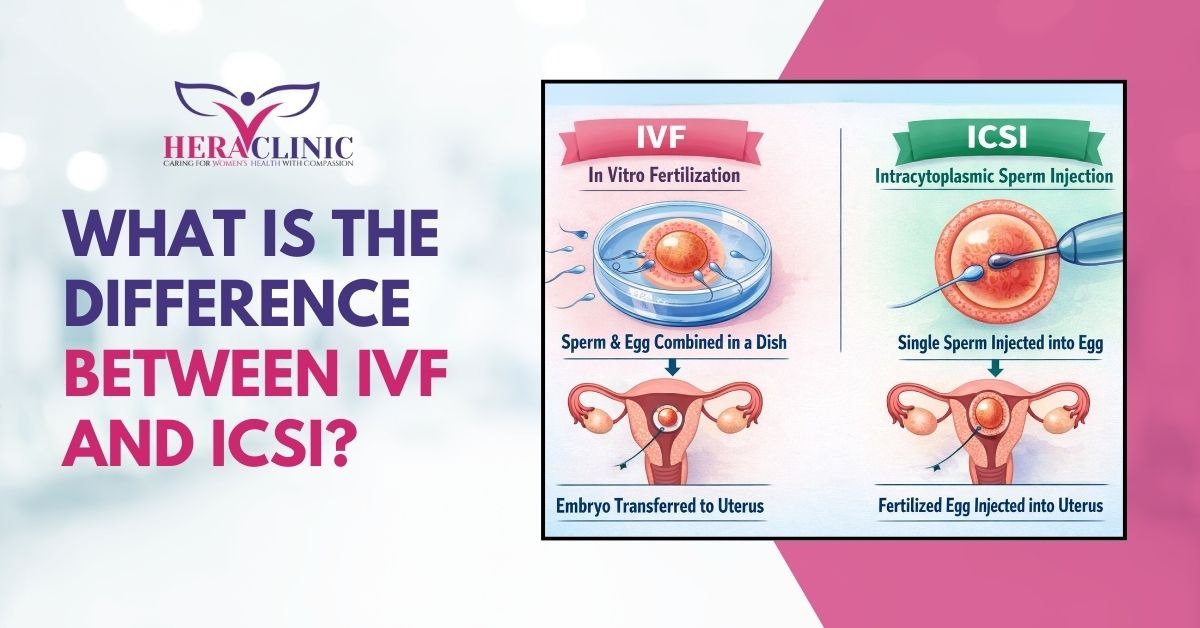
In IVF, the ovaries are stimulated using fertility medications so that multiple eggs mature at the same time. These eggs are then retrieved through a minor procedure and placed in a laboratory dish with prepared sperm. Fertilization occurs naturally—meaning the sperm must penetrate and fertilize the egg on its own. Once embryos develop, the healthiest one is transferred to the uterus.
When IVF Is Recommended
IVF is commonly advised in cases such as:
- Blocked or damaged fallopian tubes
- Ovulation disorders like PCOS
- Endometriosis
- Unexplained infertility
- Age-related fertility decline
IVF closely resembles natural conception, except fertilization occurs outside the body under controlled conditions.
What Is ICSI? (Intracytoplasmic Sperm Injection Explained)
ICSI is a specialized form of IVF developed to address fertilization problems, especially those related to male infertility.
How ICSI Works
In ICSI, a single healthy sperm is carefully selected and directly injected into the egg using advanced microscopic equipment. This bypasses many natural barriers to fertilization. After fertilization, embryo development and transfer follow the same steps as IVF.
When ICSI Is Recommended
ICSI is usually recommended for:
- Low sperm count
- Poor sperm motility
- Abnormal sperm shape (morphology issues)
- Previous IVF cycles with poor or no fertilization
- Surgically retrieved sperm
Because fertilization is assisted, ICSI significantly improves fertilization chances in challenging cases.
IVF vs ICSI: Key Differences Explained Simply
The primary difference between IVF and ICSI lies in how sperm meets the egg. In IVF, fertilization happens naturally in the lab, while in ICSI, fertilization is manually assisted.
Other important differences include:
- Sperm Requirement: IVF requires a higher number of healthy sperm, whereas ICSI can work with very few sperm
- Indications: IVF is ideal for female-factor or unexplained infertility, while ICSI is preferred for male-factor infertility
- Laboratory Technique:ICSI uses more advanced micromanipulation technology
Understanding these distinctions helps couples feel more informed and less anxious about treatment decisions
IVF vs ICSI: Success Rates Explained
Couples often compare IVF vs ICSI success rates, but it’s important to know that success depends on several factors, including:
- Woman’s age
- Egg and embryo quality
- Uterine conditions
- Overall reproductive health
In cases of male infertility, ICSI often shows higher fertilization rates. However, when male fertility is normal, IVF and ICSI may result in similar pregnancy rates. A fertility specialist will recommend the option that maximizes the chance of success for your specific situation.
IVF vs ICSI: Which Is Better for Male Infertility?
When male infertility is the primary concern, ICSI is usually the preferred choice. It is especially beneficial for:
- Low sperm count
- Poor sperm movement
- High percentage of abnormal sperm
- Fertilization failure in previous IVF cycles
By directly injecting sperm into the egg, ICSI reduces the risk of fertilization failure and improves overall outcomes for many couples.
IVF vs ICSI Cost Comparison
Cost is another factor couples often consider when choosing between IVF and ICSI.
- IVF is generally less expensive
- ICSI costs more due to specialized laboratory techniques and expertise
Advantages and Disadvantages of IVF and ICSI
Advantages of IVF
- Mimics natural fertilization
- Effective for a wide range of infertility causes
- Lower cost compared to ICSI
Disadvantages of IVF
- Lower fertilization rates in male infertility cases
- Risk of fertilization failure
Advantages of ICSI
- High fertilization rates in male infertility
- Effective even with very few sperm
- Useful after failed IVF cycles
Disadvantages of ICSI
- Higher cost
- Requires advanced laboratory technology
Risks and Limitations of IVF and ICSI
Both IVF and ICSI are considered safe and well-established procedures. However, like any medical treatment, they carry certain risks:
- Ovarian hyperstimulation syndrome (OHSS)
- Multiple pregnancies if more than one embryo is transferred
- Emotional and physical stress during treatment
- Rare genetic concerns, particularly in severe male infertility cases
A trusted fertility center like Hera Clinic ensures thorough screening, counseling, and personalized care to minimize risks and support patients throughout their journey.
How to Choose Between IVF and ICSI
Choosing between IVF and ICSI should always be based on medical evaluation rather than assumptions. Fertility specialists consider:
- Detailed hormone and ultrasound assessments
- Semen analysis results
- Previous fertility treatment outcomes
- Age and reproductive goals
At Hera Clinic, treatment plans are tailored to each couple’s unique needs, ensuring the most appropriate and effective approach is chosen.
Frequently Asked Questions:
1. Is ICSI always better than IVF?
No. ICSI is best suited for male infertility, while IVF works very well for many other fertility conditions.
2. Can IVF and ICSI be done in the same cycle?
Yes. In some cases, doctors may fertilize some eggs using IVF and others using ICSI to improve overall chances.
3. Does ICSI guarantee pregnancy?
ICSI improves fertilization rates but does not guarantee pregnancy, as implantation depends on multiple factors.
4. Is ICSI safe for the baby?
Most studies show children born through ICSI are healthy, though genetic counseling may be recommended in certain cases.
IVF vs ICSI: Making the Right Choice
Understanding the difference between IVF and ICSI empowers couples to take an active role in their fertility journey. Both treatments have proven success records and continue to help families grow worldwide. The right choice depends on your medical history, fertility challenges, and expert guidance.
With compassionate care, advanced technology, and personalized treatment planning, Hera Clinic supports couples at every step—helping them move closer to their dream of parenthood with confidence and clarity.